


-

Add: HeBei ShengShi HongBang Cellulose Technology CO.,LTD.
-

Email
13180486930@163.com -

CONTACT US
+86 13180486930
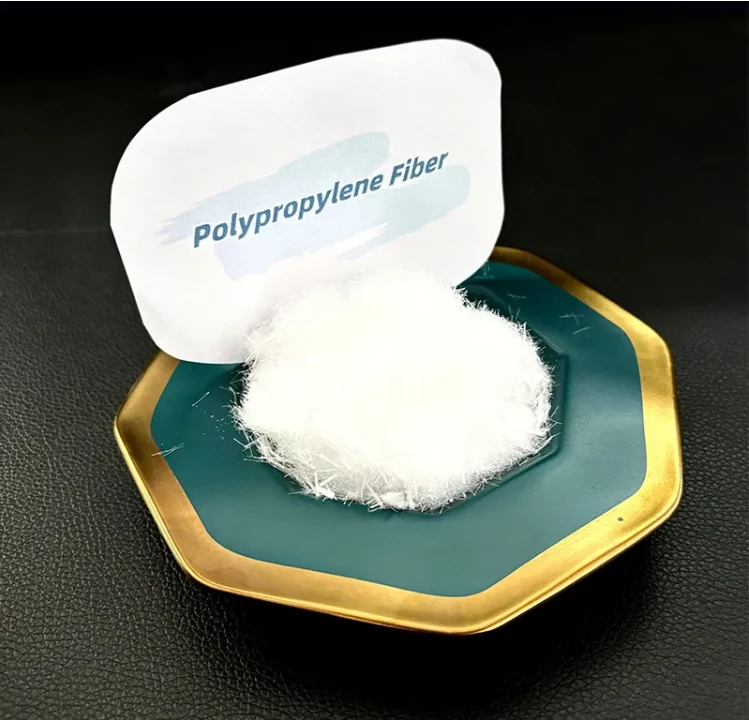


Understanding Polyolefin Fibers Properties, Applications, and Advantages Polyolefin fibers, derived from polyolefin resins, have become an integral part of various industries, ranging from textiles to automotive and construction. Polyolefins, primarily polyethylene (PE) and polypropylene (PP), are polymers characterized by their versatility, lightweight nature, and resistance to chemicals and moisture. This article delves into the properties, applications, and benefits of polyolefin fibers. Properties of Polyolefin Fibers Polyolefin fibers exhibit a range of properties that make them suitable for different applications. One of their most notable characteristics is their resistance to moisture and chemicals. Unlike natural fibers, polyolefin fibers do not absorb water, making them ideal for use in damp environments. This resistance also contributes to their longevity, as they are less prone to mildew and deterioration. Another significant property is their lightweight nature. Compared to other synthetic fibers, polyolefin fibers are less dense, which offers convenience and ease of handling, especially in textile applications. Furthermore, these fibers have excellent thermal stability, remaining effective across a broad temperature range. Their low melting point, however, requires careful handling during processing and manufacturing. Polyolefin fibers are also renowned for their tensile strength and flexibility. These attributes not only enhance their durability but also allow for a variety of weaving and knitting techniques, leading to diverse fabric textures and styles. Additionally, they exhibit colorfastness, which means that dyes and pigments adhere well to the fibers without fading over time—a crucial factor for textile manufacturers. Applications of Polyolefin Fibers The versatility of polyolefin fibers has led to their widespread adoption across various industries. In the textile sector, polyolefin fibers are commonly used to produce non-woven fabrics, geotextiles, and various clothing items. Their moisture-wicking properties make them particularly popular in activewear and athletic apparel, where breathability and comfort are paramount. fibre de polyoléfine In the automotive industry, polyolefin fibers are utilized in interior components such as seating, carpeting, and insulation. Their lightweight nature contributes to overall fuel efficiency, aligning with industry trends toward sustainability. Additionally, the fibers impart excellent sound insulation properties, leading to a quieter ride for passengers. Polyolefin fibers are also gaining traction in the construction sector. Their resistance to moisture and chemicals makes them ideal for applications in roofing, insulation, and protective coverings. Furthermore, the fibers can be incorporated into concrete to improve its tensile strength, durability, and resistance to cracking. Advantages of Polyolefin Fibers The advantages of using polyolefin fibers are numerous and compelling. First and foremost, they offer excellent cost-effectiveness. As one of the most produced synthetic fibers globally, polyolefins are readily available and can be manufactured at a lower cost compared to other materials. Additionally, the sustainability aspect of polyolefin fibers is gaining attention. While traditional plastics pose environmental concerns, the recycling and reuse potential of polyolefins can mitigate some of these issues. Many polyolefin products are now being designed with recyclability in mind, contributing to a more circular economy. Another significant advantage is the low maintenance required for polyolefin-based products. Fabrics made from these fibers are easy to clean, resistant to stains, and retain their original properties even after multiple washes. This reduces the need for harsh cleaning products, further supporting environmental sustainability. In conclusion, polyolefin fibers present a wealth of benefits that cater to various industries, from textiles to automotive and construction. Their unique properties, such as chemical and moisture resistance, lightweight nature, and long-term durability, make them an attractive option for manufacturers looking to innovate and optimize their products. As sustainability continues to gain importance in material selection, the role of polyolefin fibers is likely to expand, paving the way for more eco-friendly and efficient solutions in the future.
- 40000tons

Production
- 20+years

Experience
- 5000+㎡

Acreage

-
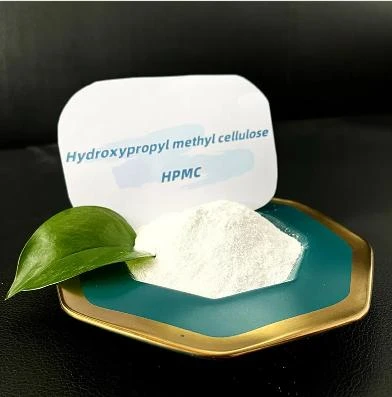
Hydroxypropyl methylcellulose (HPMC) E50 is a versatile and highly valued polymer in various industries, including pharmaceuticals, cosmetics, and construction. Its unique properties make it a product of choice for many manufacturers seeking to enhance the quality and efficiency of their applications. HPMC E50 is a non-ionic cellulose ether derived from natural cellulose, a renewable resource, making it an environmentally friendly option. This compound is known for its remarkable ability to form films and create gels, which are crucial for processes like drug formulation in the pharmaceutical industry. The polymer's consistency and reliability help create controlled release formulations, leading to improved bioavailability and patient compliance. Pharmaceutically, HPMC E50 is indispensable due to its role as an integral part of tablet film coatings. It provides excellent adhesion properties, protects the medicine from moisture, masks taste, and controls the release of the active ingredient. These capabilities not only enhance the stability and shelf-life of pharmaceutical products but also ensure accurate dosing. Manufacturers appreciate HPMC E50's non-reactivity, ensuring it does not interact adversely with active pharmaceutical ingredients (APIs), thereby maintaining the integrity and efficacy of the drug. The construction industry also benefits significantly from HPMC E50, particularly in the production of dry mix mortars and tile adhesives. Its ability to retain water efficiently results in improved workability and extended open time of the mortars. This property reduces cracking and enhances the bonding strength of tiles, thereby ensuring long-lasting finishes in construction projects. Furthermore, HPMC E50 enhances the leveling and anti-sagging properties of applied mixtures, ensuring precision and quality in finishing tasks. hpmc e50 Cosmetically , HPMC E50 is used as a thickening agent in creams and lotions. Its non-irritant nature makes it suitable for products developed for sensitive skin. The compound's ability to stabilize emulsions improves product texture, making it more appealing to consumers. Additionally, its application in personal care products extends to shampoos and conditioners, where it functions to improve viscosity and enhance the overall feel of hair care products. The trustworthiness of HPMC E50 is backed by rigorous testing and certification processes that ensure compliance with industry standards. Pharmacopeias globally recognize it, which cements its authority and reliability. Manufacturers prioritize quality and consistency, and HPMC E50's production processes are meticulously controlled to maintain its high standards. As industries continue to innovate, the demand for reliable and efficient materials like HPMC E50 is on the rise. Its compatibility with diverse applications and its eco-friendly nature contribute to sustainable industrial practices, a priority in modern production paradigms. In conclusion, HPMC E50 stands out as a prime example of a multifunctional compound facilitating advancements across various sectors. Its role in enhancing product performance, ensuring safety and compliance, and supporting sustainable practices makes it a cornerstone material that is certain to remain in high demand. Stakeholders in pharmaceuticals, construction, and cosmetics can rely on HPMC E50 to meet consumer expectations while adhering to stringent industry standards. With continued innovation and application, HPMC E50's potential is only set to expand, reaffirming its place as a critical component in diverse industrial landscapes.
-
In the ever-evolving construction industry, materials that enhance performance, longevity, and efficiency are in high demand. Hydroxypropyl methylcellulose , a premium additive, has cemented its place as a key ingredient in the formulation of mortar, coatings, and wall putty. Its exceptional qualities impact everything from application ease to durability, making it indispensable for professionals who value precision and quality. Hydroxypropyl Methylcellulose: How it Affects Mortar and Coatings In construction projects, every detail matters, including the sequence in which additives like hydroxypropyl methylcellulose are introduced. The order of addition plays a crucial role in determining the consistency, workability, and performance of mortar and coatings. When hydroxypropyl methylcellulose is added directly to water before mixing with other components, it dissolves efficiently, forming a uniform solution. This step ensures that the additive can fully develop its water-retention properties, resulting in consistent viscosity and enhanced ease of application. Conversely, if added too late, its dispersion may become uneven, affecting the overall quality of the mixture. Builders who buy hydroxypropyl methylcellulose should follow precise mixing instructions to maximize its benefits. Correctly incorporating this additive into coatings improves spreadability and adhesion, ensuring a smooth application and long-lasting results. Enhancing Durability and Anti-Aging Properties with Hydroxypropyl Methylcellulose Durability is a fundamental requirement for building materials, and hydroxypropyl methylcellulose plays a pivotal role in achieving this. By enhancing water retention during the curing process, this additive prevents premature drying, reducing the risk of cracking and structural flaws. This controlled hydration significantly boosts the long-term performance of materials like mortar, coatings, and wall putty. In terms of anti-aging properties, hydroxypropyl methylcellulose acts as a shield, protecting materials from the damaging effects of environmental factors such as moisture, temperature changes, and UV radiation. Materials treated with hydroxypropyl methylcellulose exhibit improved elasticity, ensuring they can withstand daily wear and tear without losing integrity. When applied to wall putty, for example, this additive prevents shrinkage while maintaining a smooth, crack-free surface. Builders seeking enhanced durability and aesthetic appeal should consider sourcing this innovative material from a trusted hydroxypropylmethylcellulose supplier . Behavior of Hydroxypropyl Methylcellulose in Building Materials The adaptability of hydroxypropyl methylcellulose is one of its standout features, allowing it to blend seamlessly with diverse formulations. Its water-retention capabilities improve consistency, making it easier to achieve a flawless finish with minimal effort. Additionally, hydroxypropyl methylcellulose in wall putty significantly enhances bonding strength, ensuring that the applied surface remains intact and durable over time. Under wet conditions, hydroxypropyl methylcellulose provides remarkable stability. It prevents material degradation, supports long-term adhesion, and facilitates uniform drying. This makes it ideal for construction projects in humid environments or those subject to heavy rainfall. Furthermore, its compatibility with various raw materials makes it an essential choice for manufacturers looking to improve product quality across multiple applications. Trusted Hydroxypropylmethylcellulose Supplier for Reliable Performance The benefits of hydroxypropyl methylcellulose depend not only on its unique properties but also on the quality of the product itself. For construction professionals and manufacturers aiming to achieve superior results, sourcing this material from a trusted hydroxypropylmethylcellulose supplier is essential. Our company provides premium-grade hydroxypropyl methylcellulose , ensuring consistency, reliability, and unmatched performance in every batch. Whether you’re formulating advanced coatings, preparing wall putty, or developing high-performance mortar, our product delivers measurable benefits across all applications. When you buy hydroxypropyl methylcellulose from us, you’re not just purchasing an additive—you’re investing in quality and long-lasting results. With our industry expertise and commitment to excellence, we’ve become a go-to supplier for construction professionals worldwide. Hydroxypropyl Methylcellulose: Building the Foundations of Excellence As modern construction continues to push the boundaries of performance and sustainability, hydroxypropyl methylcellulose remains a cornerstone for success. From improving the workability and durability of materials to offering unmatched resistance against aging and environmental damage, its role is pivotal in achieving next-level construction results. Whether you’re a builder aiming to enhance the durability of your projects or a manufacturer striving for innovation, incorporating hydroxypropyl methylcellulose is a step toward redefining quality. Partner with a trusted hydroxypropylmethylcellulose supplier today and experience the transformative power of this remarkable additive. Choose the right product. Choose the best partner. Choose hydroxypropyl methylcellulose .
advantages
-

200000 Viscosities
Excellent product
We can produce pure products up to 200,000 viscosities
-

40000 tons
High yield
We don’t stop production all year round, and the annual output can reach 40,000 tons
-

24 hours
Quality service
We provide 24-hours online reception service, welcome to consult at any time
———— Inquiry Form
Schedule A services

-
 macro_synthetic_fiber
Oct . 25, 2025
In the realm of construction and building materials, one innovative component is making waves for it -
 hydroxypropyl_methylcellulose_shampoo
Oct . 25, 2025
In the ever-evolving landscape of sustainable manufacturing, high-performance environment-friendly r -
 hpmc_e6
Oct . 25, 2025
Hydroxypropyl methylcellulose (HPMC) is a multi-functional polymer that garners extensive attention


